Discover Sentech’s historical journey, from its establishment in 1992 to its evolution as a state-owned entity.
Historical overview
Pioneering South Africa's Broadcasting and Digital Connectivity
Founded in 1992 as a subsidiary of the SABC, Sentech was transformed into an independent public company by 1996, focusing on unbiased signal distribution. The company expanded into multimedia services, managing significant projects like the FIFA 2010 World Cup and leading the Broadcast Digital Migration. Achieving consistent operational excellence, Sentech recently launched Sentech Connect and participated in the SA Connect initiative, aiming to enhance nationwide broadband access.
Today, Sentech remains a key player in South Africa’s broadcasting and digital infrastructure sectors, supporting the country’s transition to a connected digital economy.
Our History
Building a legacy: Sentech's journey Since 1992
From Self-Sufficiency to Sentech: The Evolution of Signal Distribution
The South African Broadcasting Corporation was self-provisioning signal distribution until Sentech was established in 1992.
SABC’s Signal Powerhouse
Sentech (Pty) Ltd was established as a wholly owned subsidiary of the SABC. It took over and was responsible for the SABC’s entire signal distribution function.
The Shift Towards Independence
Independent Broadcasting Authority (IBA) published its Triple Inquiry Report which recommended that Sentech be separated from the SABC. There has been a general consensus that the position of Sentech, as a common carrier supplying services to a large part of the industry, is inconsistent with ownership and control by the SABC, and that its shares be transferred to the State.
A Milestone in Broadcasting Independence
The Sentech Act 1996 legislated the transfer of all SENTECH shares held by SABC to the State and the conversion of Sentech into a public company. Pursuant to the provisions of the Act, the SABC transferred all signal distribution assets, liabilities, rights and obligations to Sentech.
Sentech Act, No. 63 of 1996 was amended, converting Sentech into a separate public entity responsible for providing broadcasting signal distribution services as a common carrier to licensed television and radio broadcasters.
A New Chapter: IBA Grants SENTECH Its First Service Licence
The IBA issued Sentech’s first service licence, a Common Carrier Signal Distribution Licence.
Shaping the Future of Ownership and Governance
Sentech Act was amended to provide for the possibility to transfer the State’s shares in Sentech Limited; for the use of the proceeds of such transfer; for the appointment of a specific number of executive and non-executive directors to serve on its board of directors.
Innovating the Airwaves
Sentech introduced new services namely, My Wireless (an end user multimedia service offering over Sentech’s infrastructure), Carrier of Carrier Services (a network service provided to telecommunications licensees), VSAT Services and also launched Vivid, a satellite broadcasting service.
Growth into International Telecom and Multimedia Services
Following the deregulation of the telecommunications sector, Sentech was granted two additional licenses, allowing the Company to provide international voice-based telecommunications and multimedia services. These licenses were later converted into an Individual Electronic Communications Network Services (I-ECNS) and an Individual Electronic Communications Services (I-ECS), licensed in terms of the ECA.
Sentech’s Licences Revamped for Technological Flexibility
ICASA converted Sentech’s licences such as Common Carrier Signal Distribution Licence, Multimedia Licence and its Carrier of Carriers Licence into two technology neutral licences – an Individual Electronic Communications Network Service (ECNS) Licence and an Individual Electronic Communications Service (ECS) Licence.
Diversifying with My Wireless and BizNet Services
Sentech, in a bid to diversify from its traditional signal distribution service offering, invested all its resources, time and money into new product offerings called My wireless and BizNet services.
Struggle to Compete in the Retail Market
The My Wireless, VAS and BizNet services were discontinued as they could not compete in the retail market. Also due to the fast-changing nature of the ICT market and entry of well-funded competitors, Sentech was unable to sustain the momentum and growth of these products and services.
Seamless Execution: Successful Project Management of the FIFA 2010 World Cup
Successful project management of FIFA 2010 World Cup.
A Legacy of Success
Eight consecutive years of clean audit.
Breaking Boundaries: Reaching the R1 Billion Revenue Milestone
Broke the psychological barrier by reaching the R1 billion mark in revenue.
A Perfect Score
Achieved 100% of Key Performance Indicators.
Connecting the Future: The Launch of Sentech Connect Broadband Services
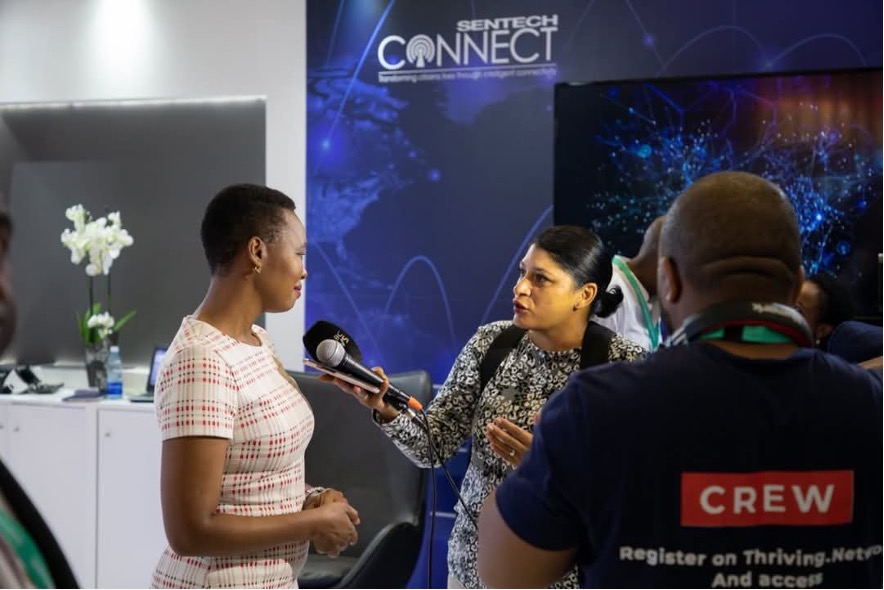
Launched the Sentech Connect, a broadband services offering.
Pioneering the Shift: Leading the Broadcast Digital Migration Project
Led the Broadcast Digital Migration project for transition from analogue transmission.
Connecting the Nation: Implementing SA Connect to Reach 5.8 Million Households
Implementing the SA Connect, a Governmentprogramme to enable a connection of 5.8 million households across South Africa. The partners include Sentech, BBI, SITA and private sector.
Broadcasting Across the Nation: Sentech's Nationwide Reach and Digital Expansion
Sentech continues to put on air all Public Broadcaster’s radio & TV, community and commercial broadcasters
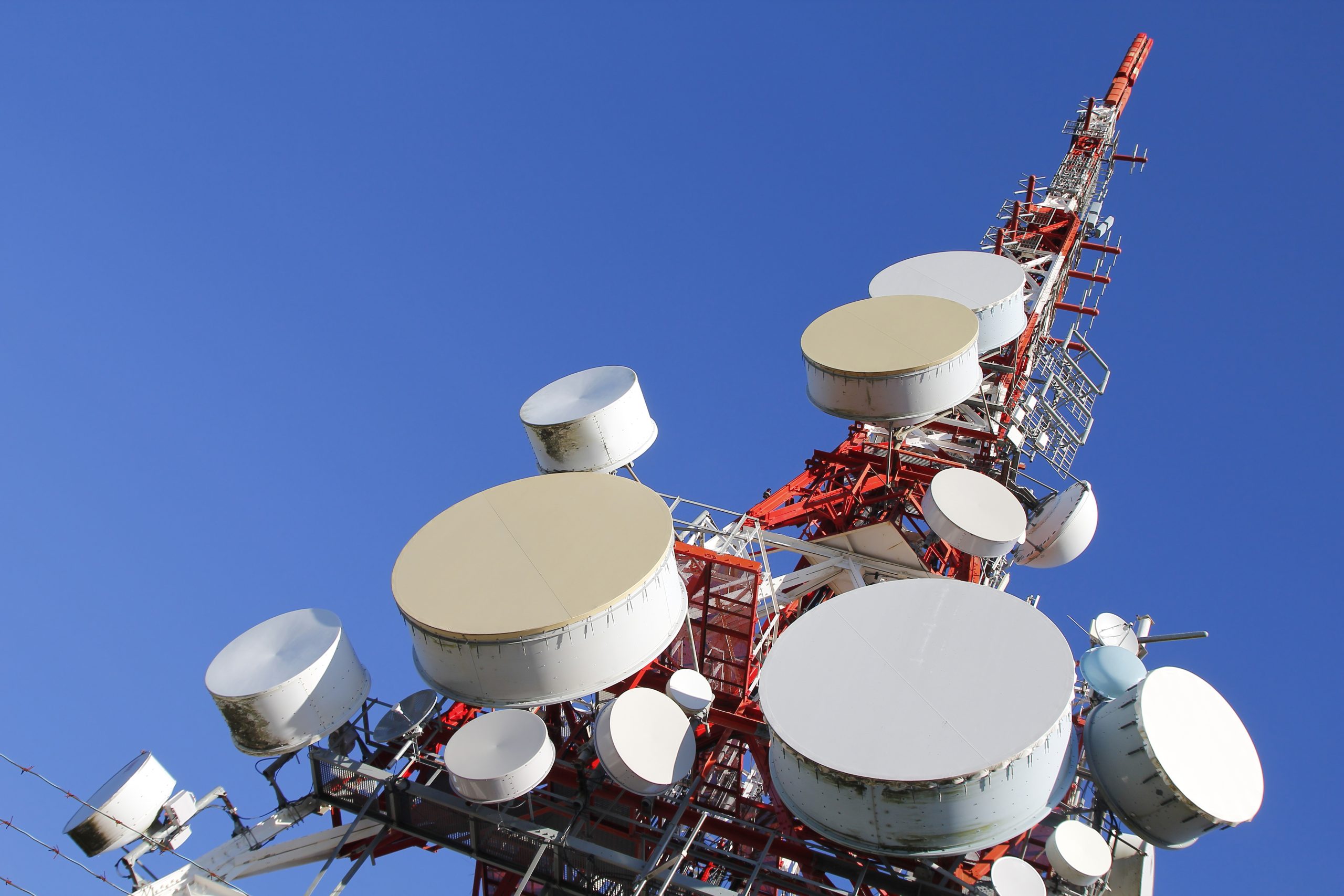
Has national footprint through strategic 340 towers and masts leased to major SA Mobile Network Operators
The company is extending its digital infrastructure service offerings such as data centers, OTT and broadband services.